


Share This Article
Even in a world of ever-expanding menus and blink-and-you’ll-miss them health trends, certain dietary advice never seems to go out of style. One such suggestion? Eat plenty of fruits and vegetables.
Enter the plant-based diet. This style of eating focuses on eating primarily whole grains, fruits and vegetables.
Here, MD Anderson health education specialist Andrea Murray explains what a plant-based diet is — and isn’t. She also shares how eating a plant-based diet can benefit your health and tips to make eating healthier easier.
What is a plant-based diet?
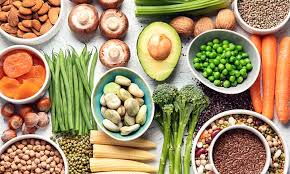
A plant-based diet means your meals are mostly plants, such as:
- Whole grains
- Vegetables
- Fruits
- Beans
- Nuts
- Seeds
The term ‘plant-based diet’ can describe many different diets. For example, vegetarian and vegan diets are both plant-based diets. But eating a plant-based diet doesn’t have to mean giving up meat and other animal products like dairy and eggs. It simply means that plants make up the majority of your diet.
This kind of plant-based diet matches MD Anderson’s recommendation to eat a diet that is rich in whole grains, vegetables, fruits, beans, nuts and seeds. At mealtime, this might look like filling two-thirds of your plate with these plant-based foods. The remaining one-third can be a lean protein like chicken or fish, or a plant protein like tofu.
Don’t like labels when it comes to diet? Murray is right there with you. At the end of the day, she stresses that how you fuel your body is more important than what you call your diet.
“Just make sure that you’re consuming as many plant foods as possible; that’s really what the focus should be about,” she says.
