


Share This Article
SpaceX notched a big milestone with a launch of its Starlink internet satellites on Wednesday night (Dec. 4).
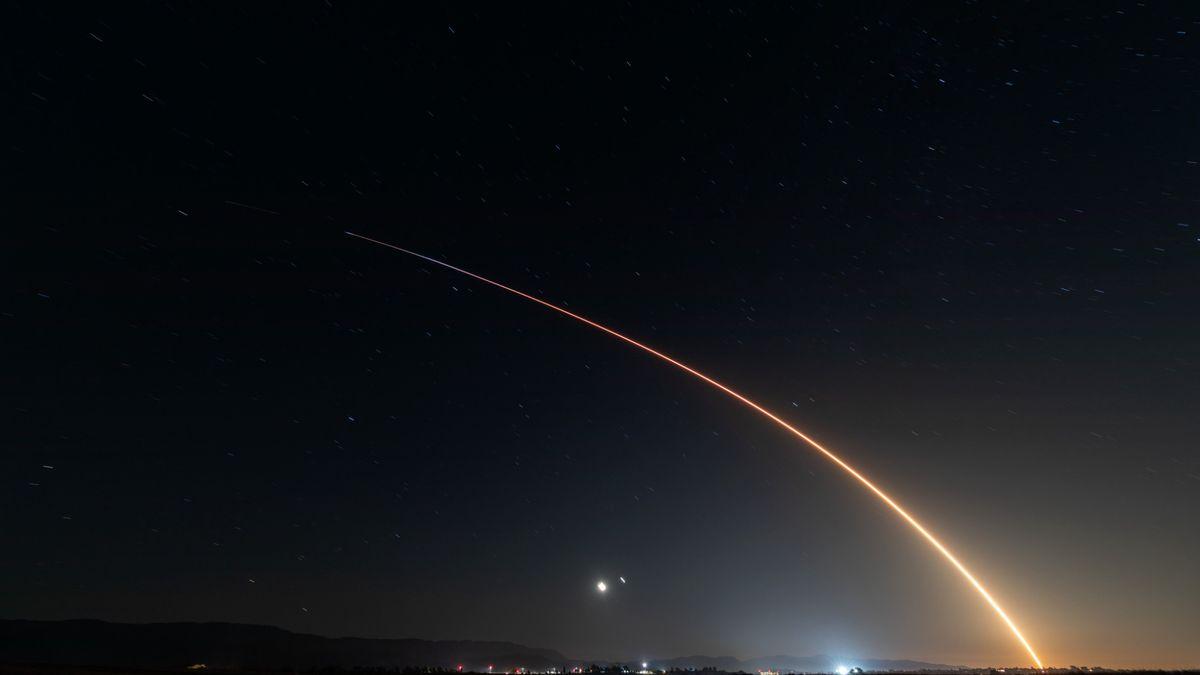
A Falcon 9 rocket launched 20 Starlink spacecraft from California’s Vandenberg Space Force Base on Wednesday at 10:05 p.m. EST (7:05 p.m. local California time; 0305 GMT on Dec. 5) and deployed them in low Earth orbit (LEO) about 61 minutes later as planned.
Thirteen of the newly launched satellites are capable of beaming service directly to satellites, rounding out the first shell of this specialized network.
“The first Starlink satellite direct-to-cell phone constellation is now complete,” SpaceX founder and CEO Elon Musk said via X early on Thursday morning (Dec. 5). “This will enable unmodified cellphones to have internet connectivity in remote areas. Bandwidth per beam is only ~10Mb, but future constellations will be much more capable.”
You may like SpaceX launches 20 Starlink internet satellites from California (video, photos) SpaceX launches 20 Starlink satellites from California (video)
The Falcon 9’s first stage, meanwhile, returned to Earth about eight minutes after liftoff as planned, landing on the SpaceX droneship “Of Course I Still Love You” in the Pacific Ocean.
It was the 12th launch and landing for this particular booster, according to a SpaceX mission description. Half of those missions have been Starlink flights.
Get the Space.com Newsletter Breaking space news, the latest updates on rocket launches, skywatching events and more! Contact me with news and offers from other Future brandsReceive email from us on behalf of our trusted partners or sponsors By submitting your information you agree to the Terms & Conditions and Privacy Policy and are aged 16 or over.
RELATED STORIES: — SpaceX: Facts about Elon Musk’s private spaceflight company — Starlink satellites: Facts, tracking and impact on astronomy — SpaceX launches US spy satellite, lands rocket in flawless Easter flight
SpaceX has already launched more than 80 Starlink missions so far in 2024.
The huge, ever-growing LEO constellation currently consists of 6,799 operational spacecraft, according to satellite tracker and astrophysicist Jonathan McDowell. About 330 of those are direct-to-cell capable.
Editor’s note: This story was updated at 2:30 a.m. ET on Dec. 5 with the news that this launch completed SpaceX’s first direct-to-cell Starlink constellation.
