


Share This Article
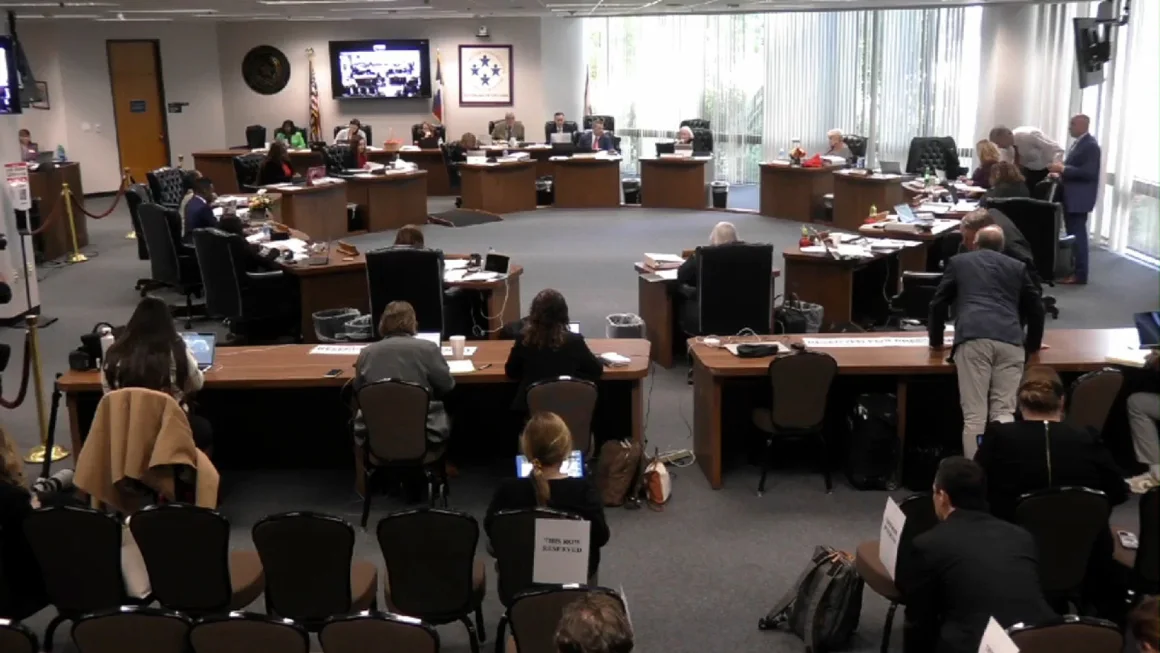
Public schools in Texas now have the option to use a new, state-written curriculum infused with Bible stories after the state’s school board voted in favor of the material on Friday.
A slim majority of the board’s 15 members – eight to seven – voted to keep the Bluebonnet Learning material on a list of K-5 reading and English language arts materials for potential use in the 2025-26 school year.
The material was developed by the Texas Education Agency, a state body overseeing public school education, headed by Texas Commissioner of Education Mike Morath.
Critics of the curriculum argue it heavily favors Christianity over other faiths. Some have suggested the teachings violate the “establishment clause” of the First Amendment, which states, “Congress shall make no law respecting an establishment of religion.”
Notably, Texas has independent school districts, meaning each district decides what is taught in classrooms. Bluebonnet Learning materials will be part of a menu of curriculums available for school districts to use.
While they are not required to use the new materials, adopting the state-developed open education resource can earn schools $40 per student annually. An additional $20 would be provided per student for printing costs.
“Texas’ new Bible-infused elementary curriculum is part of the nationwide effort by Christian Nationalists to impose their religious beliefs on public school students,” said Rachel Laser, the organization’s president and CEO. “Families, not politicians or public school officials, should decide if, when and how their children engage with religion.”
Texas is among several Republican-led states that have passed legislature that incorporates Christianity in public schools, inviting outrage and lawsuits: A federal judge this month temporarily blocked a Louisiana law that would have required the Ten Commandments to be displayed in every public school classroom by the new year. In Oklahoma, teachers and parents filed a lawsuit to stop the state’s top education official from enforcing a similar mandate.
