


Share This Article
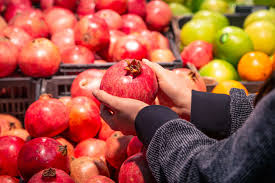
It’s peak pomegranate season in the United States, which means you might be scanning grocery store aisles for the perfect fruit to add to salads or desserts.
A ripe pomegranate isn’t just sweeter—it also offers more concentrated benefits like antioxidants and vitamin C, culinary nutrition consultant Julie Lopez, RD, told Health.
So how do you pick a pomegranate that’s not just juicy and delicious but full of nutrition? Unlike fruits with more obvious signs of ripeness, pomegranates are a bit more mysterious.
Look for a Slightly Angular Shape
A perfect-tasting pomegranate might not be a perfect-looking one, holistic nutritionist Stacey Woodson, MS, RDN, LD, told Health.
Instead of a flawless sphere, “look for a slightly boxy or angular shape,” she advised. Flat or oddly shaped sides mean the arils inside the fruit have swelled with juice, transforming the fruit’s form. “That’s your signal that you’re getting plump, juicy arils packed with peak antioxidants and that signature sweet-tart flavor.”
Look for a Heavyweight
One of the best signs of a pomegranate’s ripeness? Its weight. As you shop, don’t hesitate to pick up a few fruits to compare their heft—or even weigh them on a grocery store scale. “That extra weight means the arils are swollen with juice, plump, sweet, and packed with peak nutrients,” said Woodson.
Since heavier pomegranates contain more antioxidant-rich fluid, they’re an especially good choice if you plan to juice your fruit, Catherine Sebastian, MS, RD, a registered dietitian for The Wonderful Company, told Health.
You can even give a pomegranate a gentle squeeze or light toss in the air to gauge its density as well as its weight. “A good pomegranate should feel solid and dense, not airy or hollow,” said Lopez.
Seek Out a Taut, Leathery Texture
A pomegranate’s texture can tell you a lot about the quality of fruit inside. Woodson recommends choosing one with taut skin and a leathery appearance.
The best fruit will also be free of cracks or bruises, she said. While cracks can sometimes result from overwatering, they may also indicate a fungal infection. For food safety, it’s best to steer clear of fruits that have split.
Bruising, meanwhile, can affect a pomegranate’s juiciness—and therefore its nutritional value. A 2023 study compared bruised and unbruised pomegranates stored for 28 days and found that bruised ones were less firm, smaller, and lighter than non-bruised ones.
Other textural signs to avoid are a soft feel and shriveled skin, which may indicate overripeness or even that a fruit is starting to ferment, Lopez said.
