


Share This Article
The product delivers strong nutritional benefits, including protein, healthy fats, and key minerals. Its neutral taste and sustainable, non-GMO origin make it a promising alternative to soy- or pea-based proteins.
Sustainable Meat Alternative From Sunflowers
Researchers from the Institute of Food Technology (ITAL) and the University of Campinas (UNICAMP), both located in São Paulo, Brazil, worked with scientists from the Fraunhofer IVV Institute in Germany to create a new meat substitute made from sunflower flour.
The process begins by extracting oil from sunflower seeds. Before the resulting flour can be used in foods, the husks and phenolic compounds must be removed, as these naturally occurring substances give the flour a darker color and make it harder to digest. Once refined, the flour becomes a versatile ingredient suitable for human consumption.
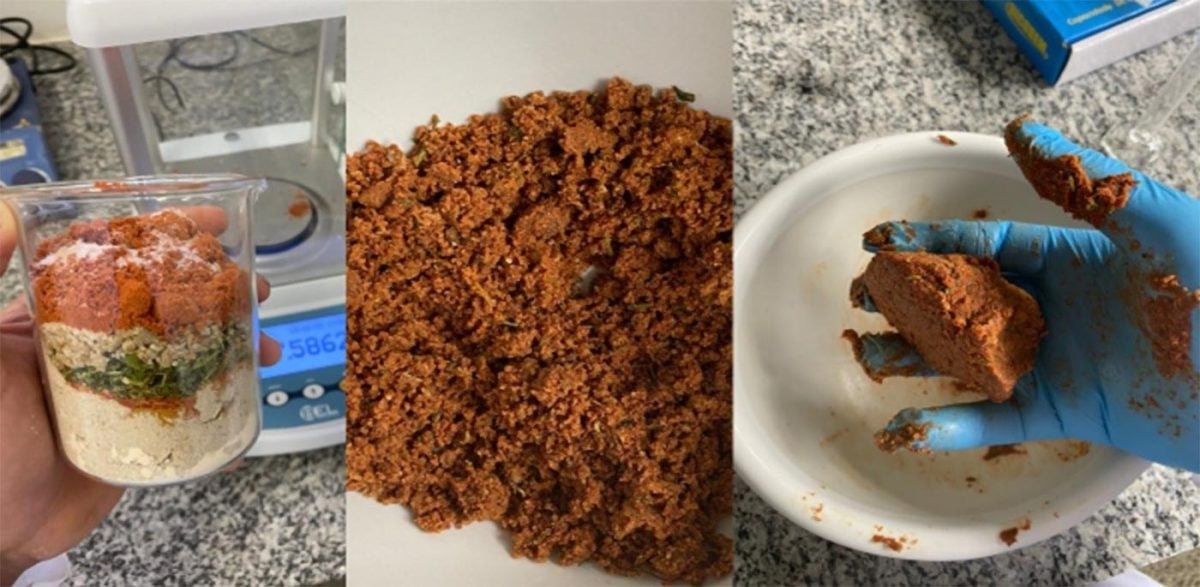
The research team developed two versions of the meat substitute. One used flour from roasted sunflower grains, while the other incorporated textured sunflower protein. To enhance both taste and nutrition, the mixtures were enriched with tomato powder, spices, and a blend of sunflower, olive, and linseed oils.
High Nutritional Value and Mineral Richness
The mixtures were shaped into small burger patties and baked. Each version was then tested for texture, taste, and nutritional quality. The textured protein variety proved superior, showing better firmness and higher levels of protein and beneficial fats, particularly monounsaturated fatty acids. It was also found to be rich in minerals, providing 49% of the recommended daily intake for iron, 68% for zinc, 95% for magnesium, and 89% for manganese.
The researchers, whose work was supported by FAPESP, focused on sunflower meal because sunflower oil is widely used in Europe and sunflower farming is expanding in Brazil. Another key advantage is that the ingredient is not genetically modified, which increases its appeal to consumers looking for natural, sustainable foods.
Sunflower flour is also a strong source of plant-based protein, making it highly relevant as demand grows for sustainable alternatives to animal products.
